Echeveria: The Rose of the Desert
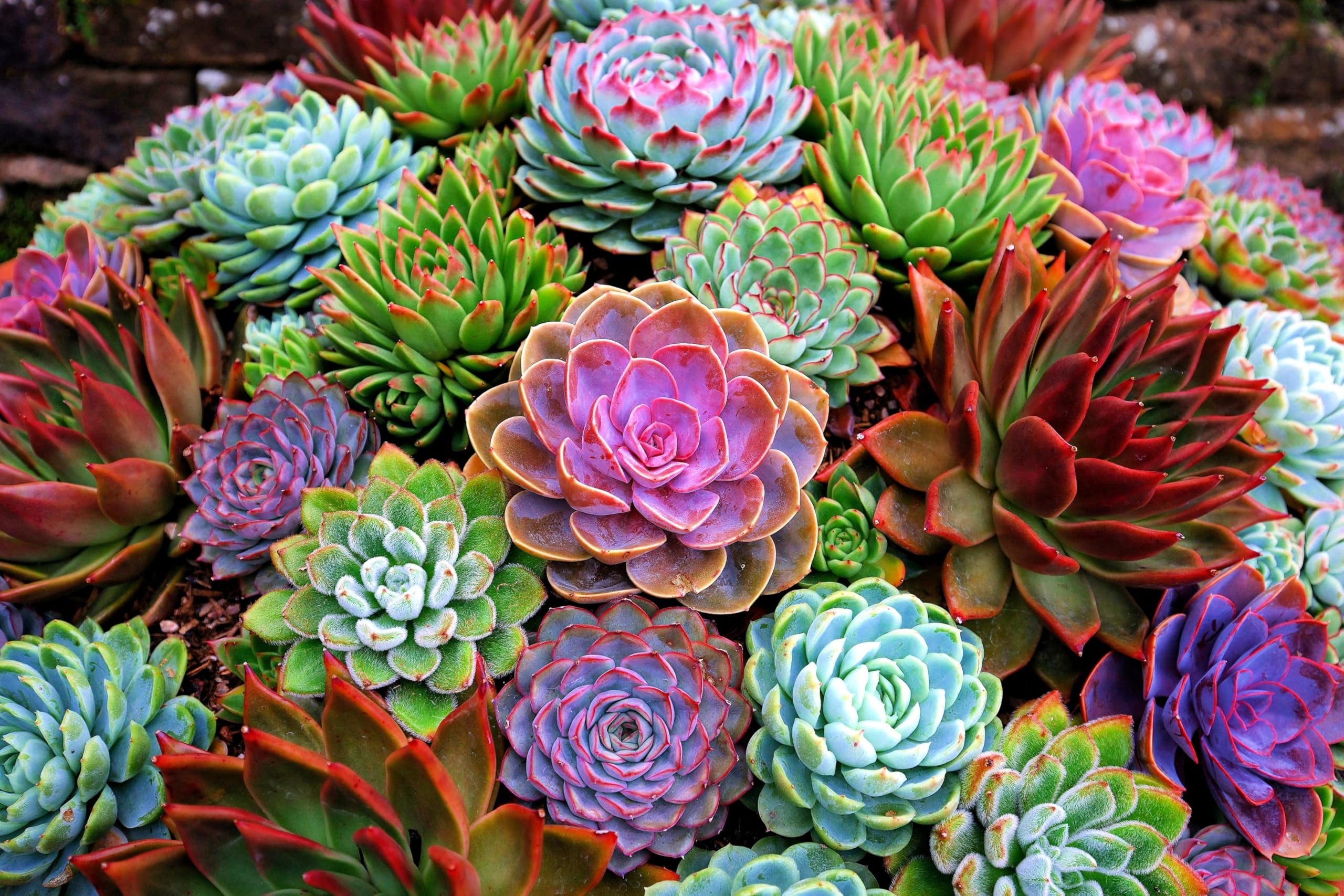
Echeverias form stunning, flower-like rosettes in colors ranging from pastel pink to deep purple. They are perfect for windowsills and arrangements. Succulents are the survivors of the plant world. Evolving in arid, desert landscapes with scarce rainfall and intense sun, they have developed fleshy tissues to store water for long periods. This adaptation, known as succulence, allows them to thrive in conditions that would kill most other plants. Echeveria: The Rose of the Desert utilizes a specialized form of photosynthesis called CAM (Crassulacean Acid Metabolism). Unlike other plants, they open their stomata (pores) at night to take in CO2, minimizing water loss during the scorching day. This is why they are so drought-tolerant but also why they grow slower than tropical plants.
Care Essentials
Light: High light requirement to maintain tight rosette shape.
Watering: Avoid getting water in the center of the rosette to prevent rot.
Soil: Gritty, fast-draining cactus mix is essential.
The Gritty Mix Truth
Drainage Over Everything: Standard potting soil is too dense. A pro mix for succulents is 50% inorganic material (perlite, pumice, coarse sand) and 50% organic (coco coir or soil).
Top Dressing: Adding a layer of gravel or decorative stones on top isn't just for looks; it keeps the leaves off wet soil, preventing rot.
Stressing for Color
Sun Stress: Many succulents turn vibrant shades of red, pink, or purple when 'stressed' by intense sunlight. This is a natural protective reaction, like a tan.
Cold Stress: Cooler temperatures (but not freezing) can also bring out blushing colors in Echeverias and Sedums.
Seasonal Care Calendar
Spring: Resume watering as new growth appears. This is the best time to propagate from leaves or cuttings.
Summer: Protect from scorching midday sun if outdoors. Water deeply but let dry completely. High heat can sometimes induce summer dormancy in some species.
Fall: Reduce watering. Colors may intensify with cooler nights.
Winter: Water very rarely, maybe once a month. Keep them cool but bright to prevent etiolation (stretching).
Frequently Asked Questions
Q: How do I know if I'm overwatering?
A: The classic signs are yellowing lower leaves, mushy stems, and a musty smell from the soil. If in doubt, wait. It's easier to revive a dry plant than a drowned one.
Q: Why are the tips of my leaves turning brown?
A: This is usually due to low humidity or chemicals in tap water (fluoride/chlorine). Try increasing humidity or switching to distilled water.
Q: Can I use garden soil for my indoor plants?
A: No! Garden soil is too heavy and can introduce pests and diseases. Always use a sterile potting mix designed for containers.
Q: How often should I fertilize?
A: Generally, fertilize only during the growing season (Spring/Summer) once a month. Dilute liquid fertilizer to half strength to avoid chemical burn.
Related Articles
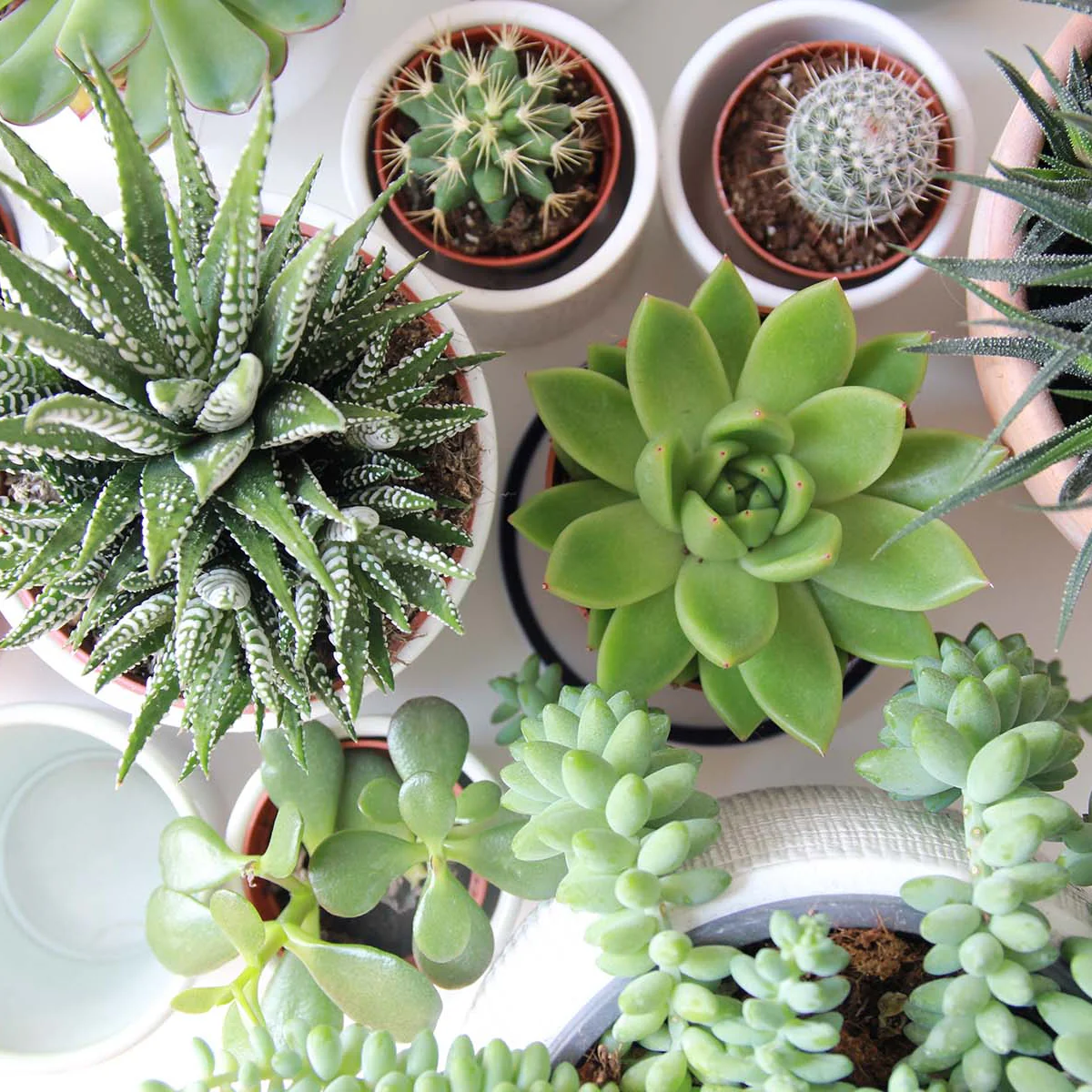
How to Water Succulents Without Killing Them
Master the art of watering succulents. Learn the 'soak and dry' method to prevent root rot.
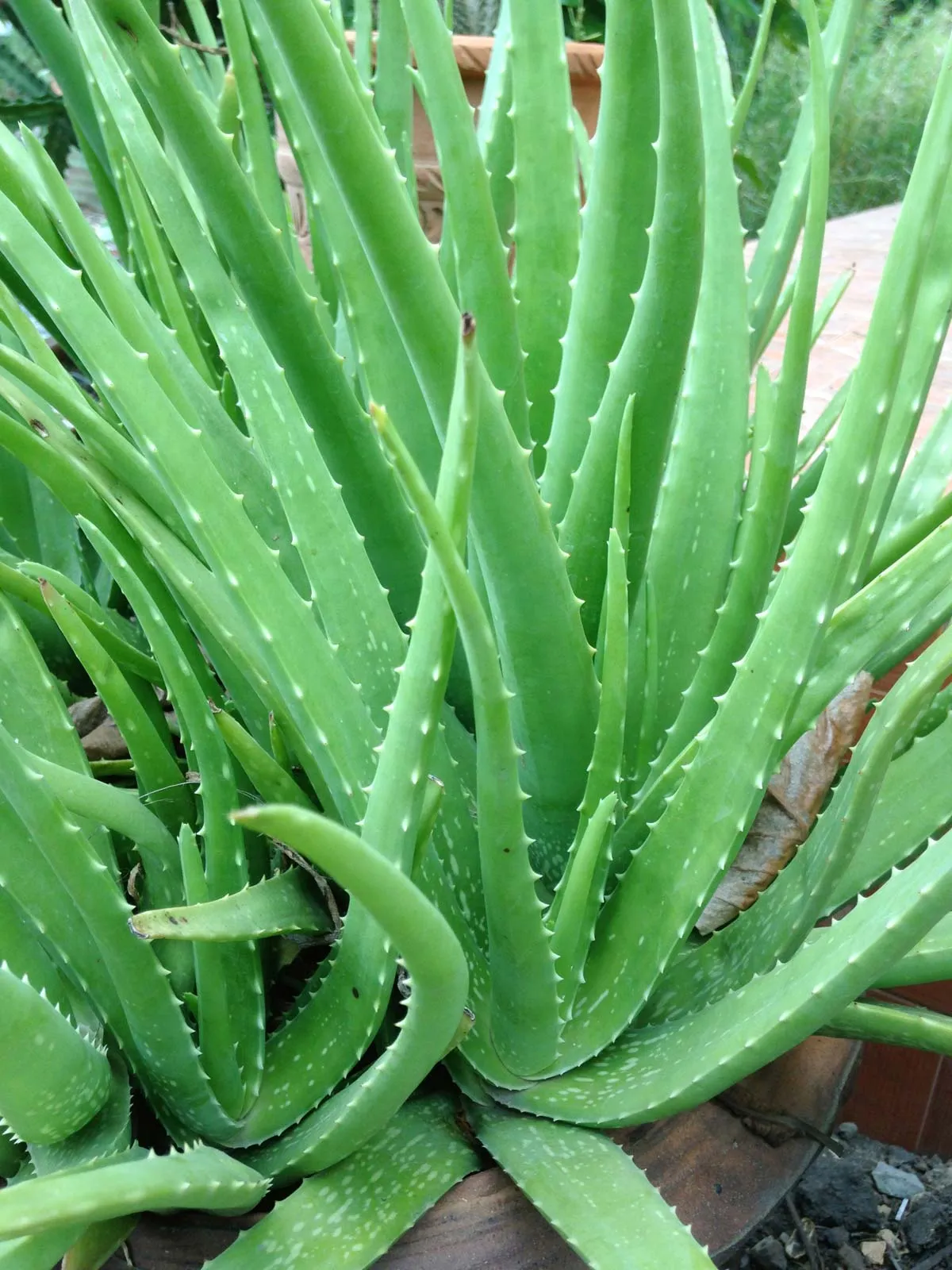
Aloe Vera: The Healer Plant
Grow your own first aid kit. Aloe Vera care and harvesting tips.
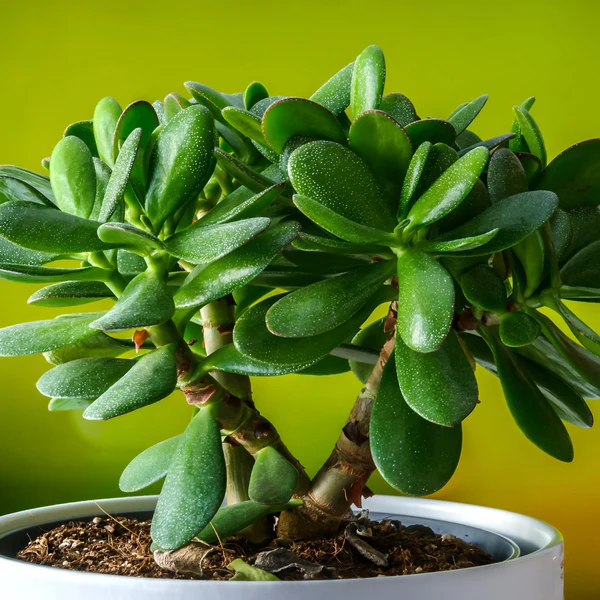
Jade Plant: The Money Tree
Bring good luck and greenery with the classic Jade Plant.