Air Layering: For Large Plants
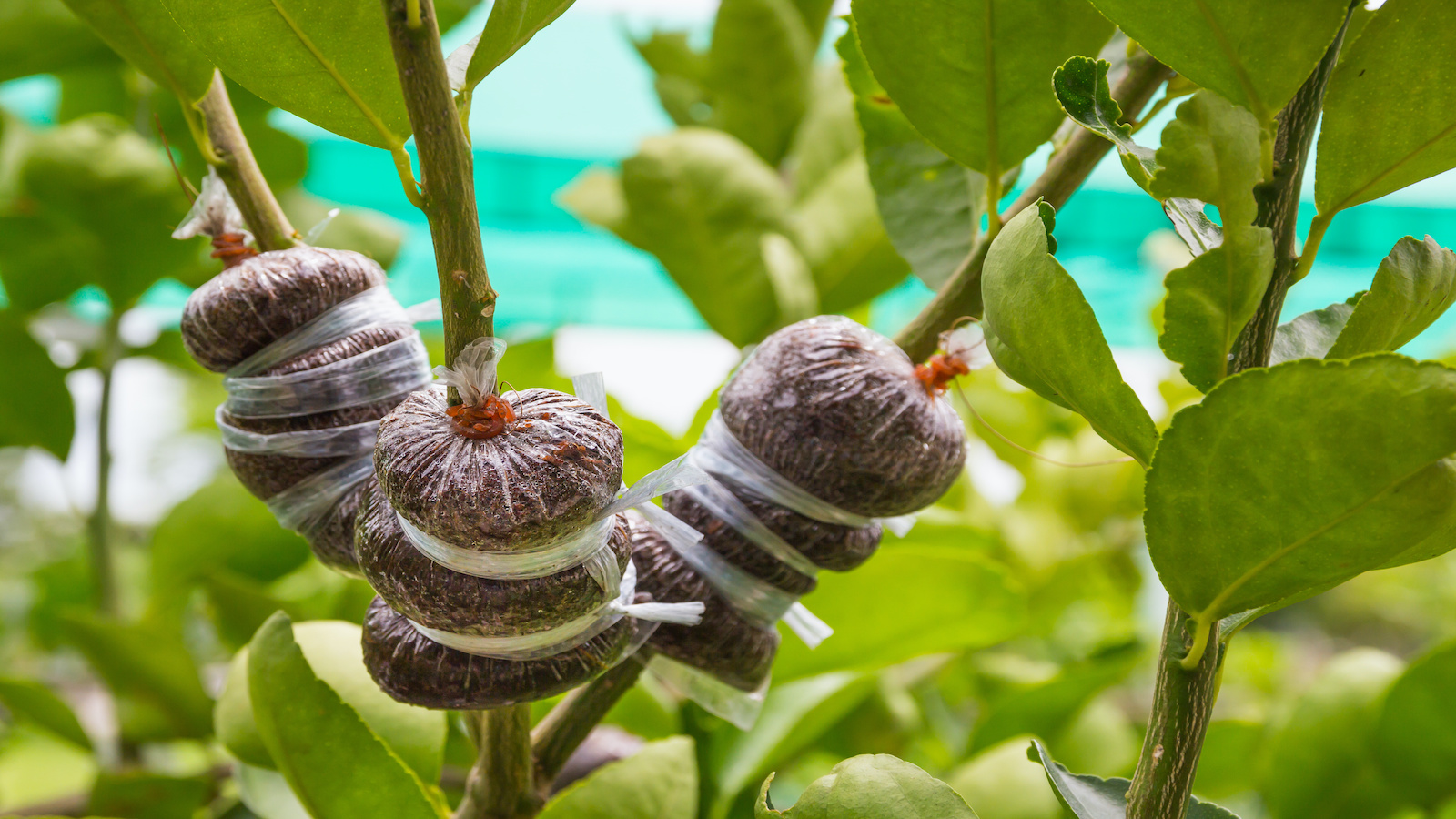
Air layering involves growing roots on a stem while it's still attached to the parent plant. It's safe and effective for woody stems. Most of our beloved indoor plants hail from the tropical understories of rainforests in South America, Southeast Asia, and Africa. In these environments, they receive filtered light through the canopy of taller trees, which explains why they thrive in the indirect light of our homes. Understanding this natural habitat is the key to unlocking their growth potential. Air Layering: For Large Plants scientifically, these plants have evolved specific mechanisms to cope with lower light levels. For instance, many have broad leaves to maximize surface area for photosynthesis. Some, like the Calathea, even move their leaves (nyctinasty) to follow the light source or close up at night to conserve moisture.
Process
Wound: Make a small cut in the stem.
Wrap: Wrap moist moss around the cut and seal with plastic.
Wait: Once roots fill the moss, cut below and pot up.
Advanced Humidity Management
The Pebble Tray Method: Place your pot on a tray filled with pebbles and water. As the water evaporates, it creates a microclimate of humidity around the foliage without rotting the roots.
Grouping Plants: Plants transpire, releasing moisture into the air. Grouping them together creates a shared humid zone that benefits everyone.
Humidifiers: For serious collectors, a cool-mist humidifier is the gold standard. Aim for 50-60% ambient humidity for most tropicals.
Soil Microbiology 101
Living Soil: Healthy soil isn't just dirt; it's a living ecosystem. Adding worm castings or mycorrhizal fungi can boost root health significantly.
Aeration is Key: Over time, soil compacts, suffocating roots. Use a chopstick to gently poke holes in the soil (aerating) every few months to restore oxygen flow.
Seasonal Care Calendar
Spring (Growth Phase): This is the time to repot if the plant is root-bound. Start fertilizing at 1/2 strength. Prune leggy growth to encourage bushiness.
Summer (Peak): Water more frequently as temperatures rise. Rotate the plant weekly for even growth. Watch out for pests that hitchhike on open windows.
Fall (Winding Down): Reduce watering frequency. Stop fertilizing as days get shorter. Bring any outdoor vacationing plants back inside before temps drop below 55°F.
Winter (Dormancy): Most indoor plants go dormant. Water sparingly—only when soil is very dry. Move plants away from cold drafts and heating vents. Dust leaves to maximize light absorption.
Frequently Asked Questions
Q: How do I know if I'm overwatering?
A: The classic signs are yellowing lower leaves, mushy stems, and a musty smell from the soil. If in doubt, wait. It's easier to revive a dry plant than a drowned one.
Q: Why are the tips of my leaves turning brown?
A: This is usually due to low humidity or chemicals in tap water (fluoride/chlorine). Try increasing humidity or switching to distilled water.
Q: Can I use garden soil for my indoor plants?
A: No! Garden soil is too heavy and can introduce pests and diseases. Always use a sterile potting mix designed for containers.
Q: How often should I fertilize?
A: Generally, fertilize only during the growing season (Spring/Summer) once a month. Dilute liquid fertilizer to half strength to avoid chemical burn.
Related Articles
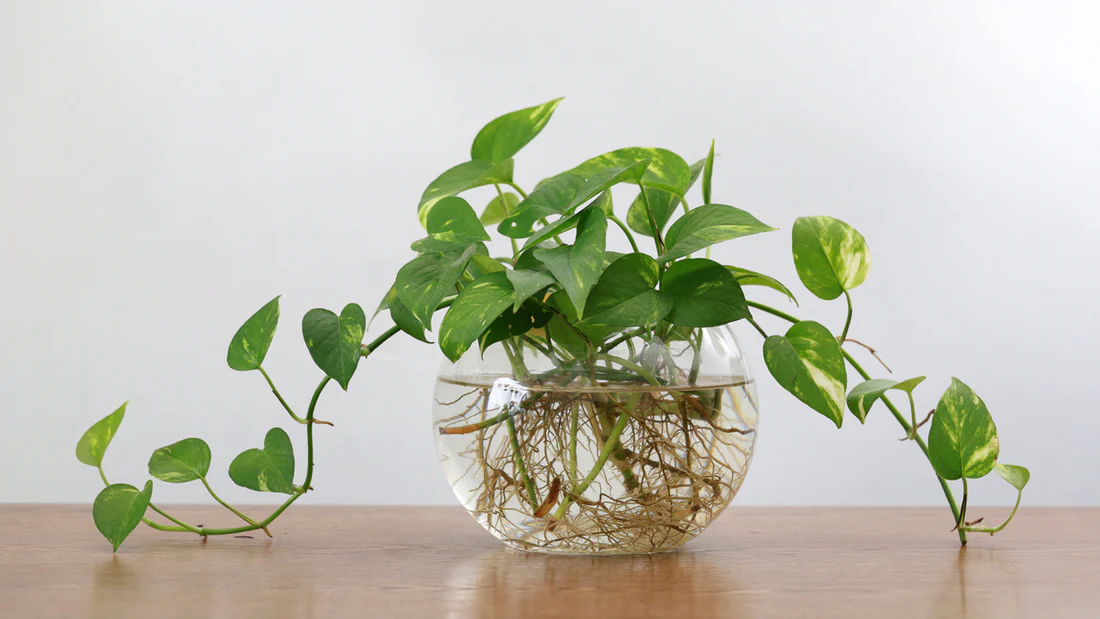
Water Propagation 101: Turn One Plant into Many
A beginner's guide to propagating Pothos, Philodendrons, and other vining plants in water.
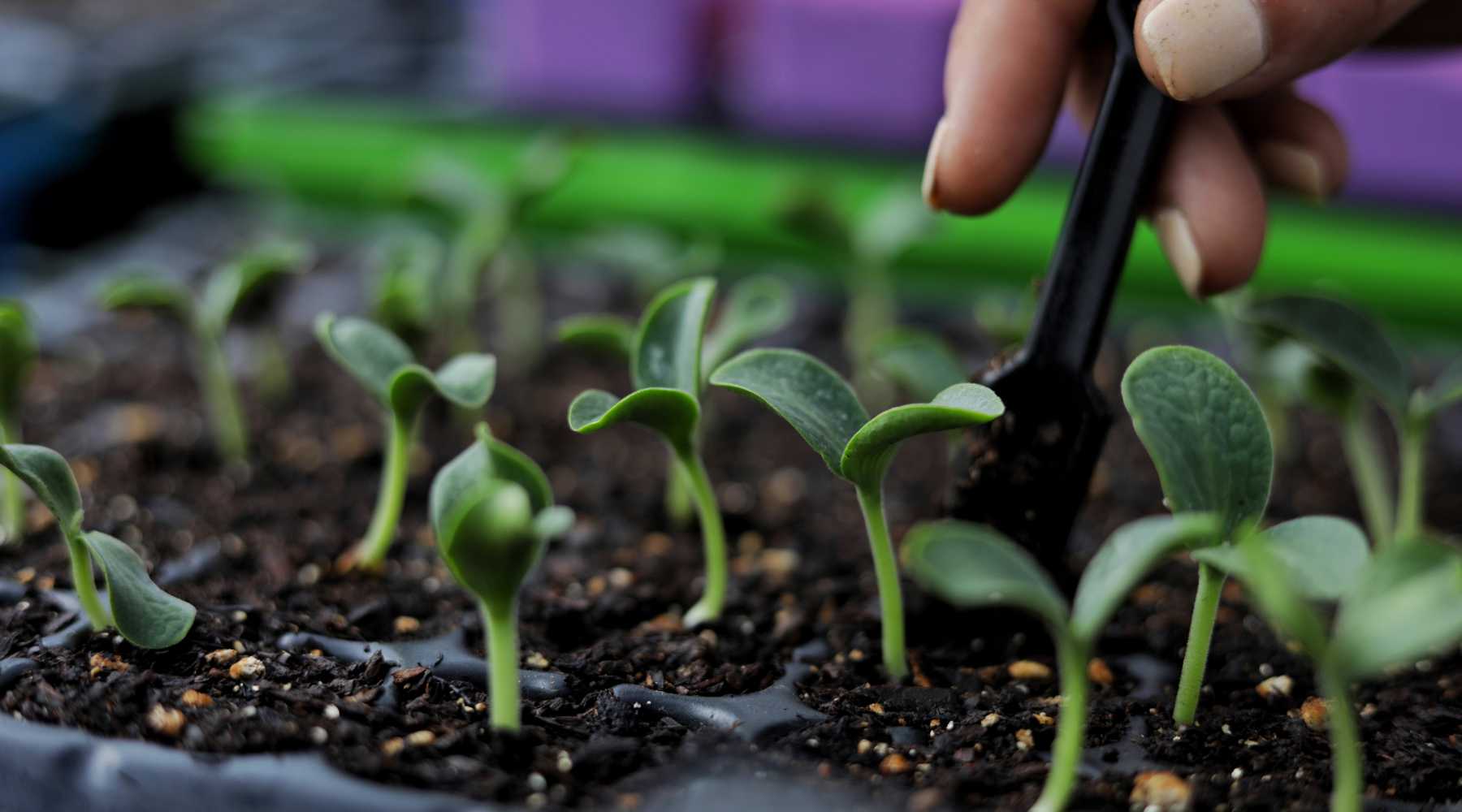
Soil Propagation: Direct to Pot
Skip the water and propagate directly in soil for stronger roots.
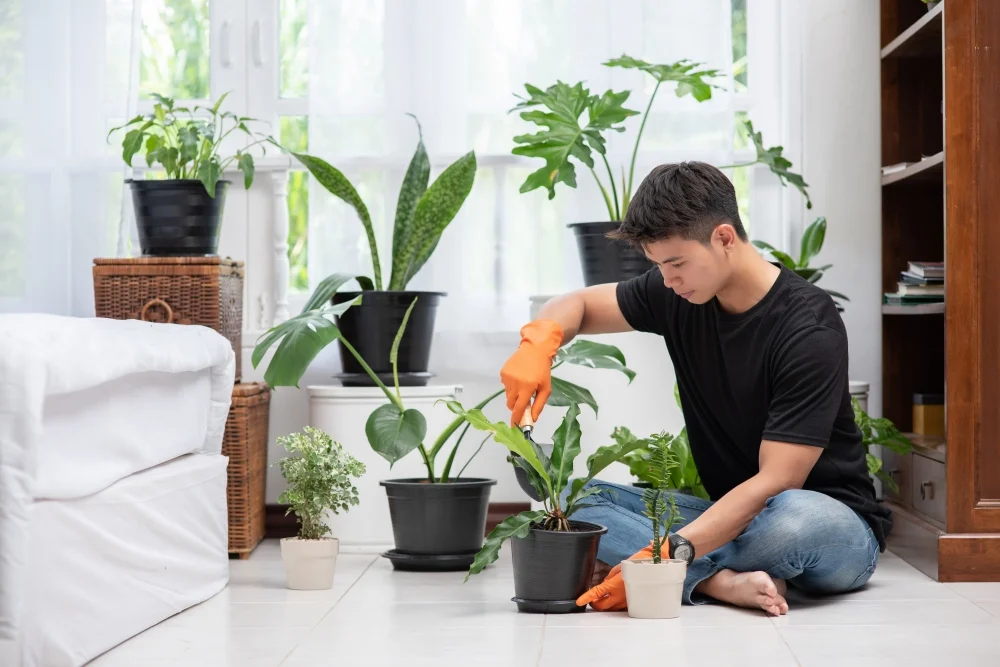
Division: The Instant New Plant
How to divide clump-forming plants like Ferns and Peace Lilies.